

Tipos de Desastres Naturales Tras Un Terremoto: Procesos Superficiales Terrestres

Tras el terrible terremoto que ha afectado a China, conviene reflexionar y analizar los efectos sobre las perturbaciones de los procesos superficiales terrestres que acaecen, tanto antes como después de un seísmo. En este post nos centraremos en los eventos de esta naturaleza que ocurren en plena placa continental, soslayando los que se generan en los fondos marinos, y que dan lugar a maremotos o tsunamis, como el que ha afectado trágicamente a Birmania. No hablaremos tampoco de las consecuencias humanitarias. Un sismo de la magnitud que ha sacudido a China conlleva una profunda alteración de la superficie terrestre. Tanto la fisiografía, como la hidrología y los suelos-regolito suelen ser afectados sobremanera. Como os exponemos en la noticia que ofrece al respecto Terradaily, al final del post, el Gobierno de aquél país se dispone a prepararse para la segunda factura, es decir la post-sísmica. Nuevas víctimas y tragedias acechan, cuando el ciudadano comienza a olvidarse de la noticia. Como veréis, la perturbación de la cobertura de suelos es una de las principales generadoras de estas lamentables secuelas de la furia de la naturaleza.
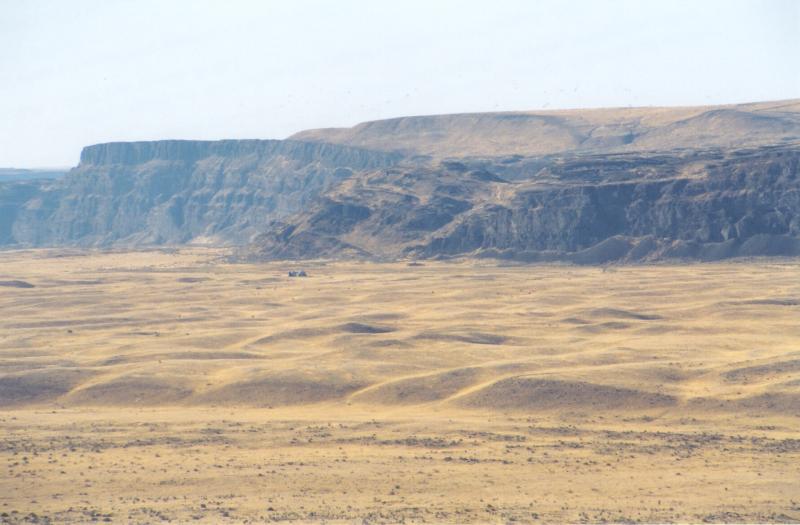
Megaripples generados por una gigantesca inundación
Obviamente, los procesos superficiales que serán alterados dependen tanto de la intensidad del sismo, como de la zona en donde se encuentra ubicada la región afectada. En consecuencia, ni podemos generalizar en exceso, ni ser exhaustivos. Sin embargo, lo que digamos servirá como un botón de muestra que ayudará a que os percatéis de la gravedad del asunto.
Los Terremotos pueden llegar a acarrear unas transformaciones severas de la cortaza terrestre, a menudo agravadas por el hecho de que otros sismos de menor intensidad suelen ocurrir antes y después del acontecimiento principal. Si adicionalmente existen infraestructuras de gran tamaño y/o riesgo en la zona (embalses, centrales nucleares, etc.), puede legar a darse el caso de que los efectos sean más demoledores de los que generan las sacudidas de mayor envergadura.
Como ya hemos comentado, el temblor de la tierra genera que suelos y regolitos se deslicen por las pendientes como en una pila de arena cuando se menea su soporte. De este modo, se generan graves problemas de erosión del suelo por deslizamientos y avalanchas. El problema puede empeorar si, adicionalmente, estamos ubicados en zonas montañosas con coberturas nivales y/o glaciares conspicuas, que como los suelos correrán vertientes abajo arrastrando y sepultando todo lo que encuentren a su paso. Pueblos enterrados y laderas erosionadas serán algunas de las consecuencias. Estas suelen destrozar infraestructuras viarias, entorpeciendo la ayuda a las víctimas.
Como en el caso de China, no es infrecuente que tal avalancha de sedimentos hacia los cauces fluviales interrumpa el fluir natural de los ríos generando represas de agua que pueden llegar a almacenar volúmenes muy importantes de este líquido elemento. Una vez generados, estos pueden quebrase por la un temblor menor, o por la misma erosión del sedimento allí acumulado. En consecuencia, tanto si se han producido grietas en una presa artificial, como si se trata de estas represas pos-sísmicas naturales, su desmoronamiento amenazará con generar inundaciones y avenidas cauca abajo, cuyos efectos estarán condicionados por la magnitud del agua represada y la carga de sedimentos que arrastran.
Se han documentado casos en los que los propios cursos fluviales pueden cambiar de rumbo y desviarse notablemente de cómo transcurrían antes del sismo. Tal hecho comporta una transformación profunda de los paisajes y los ecosistemas afectados. Sin embargo, a lo largo de la historia se han producido fenómenos asombrosamente mucho más dramáticos. Expongamos un ejemplo.
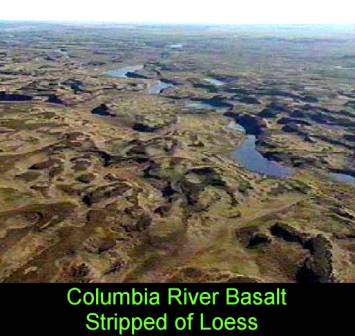
Tras las glaciaciones, se han producido de forma natural represas de hielos de tamaños gigantescos (casi inimaginables). Ya fuera por el deshielo, ya por un pequeño temblor, al resquebrajarse enormes cantidades de agua son derramadas súbitamente, desparramándose sobre territorios extensos y modificando la fisiografía regional a lo largo de miles y miles de kilómetros cuadrados. Este fue el caso de la cabecera del Río Columbia en EE.UU., o de algún curso de las Montañas de Altai en Siberia (como también en el Tibet). En el primer caso mentado, estudios realizados por Victor Baker (uno de los expertos mundiales en el tema) y mi colega y amigo Gerardo Benito (actualmente en el CCMA (CSIC, Madrid) constataron que se vertieron al mar en pocos días el mismo volumen de agua que acarrean todos los ríos del mundo en un año. Este trabajo fue publicado en Science en la década de 1990. ¿Os imagináis los efectos sobre el paisaje? ¡Os aseguro que no! Incluso pueden alterar las circulaciones marinas (como las corrientes termohalinas) generando cambios climáticos regionales de enorme magnitud. Junto con el agua, son arrastradas ingentes cantidades de sedimentos que al decantarse cubrirían el paisaje precedente con las típicas formas que produce el oleaje marino en una playa, pero de dimensiones desorbitadas (como os ripples). También dio lugar a extrañas formas denominadas “scablands” Aunque parezca curioso, tales modelados pueden llegar a confundirse con los mares de dunas de los desiertos. Se ha dado el caso, de que los científicos tengan que hacer uso de estudios e instrumentales muy concienzudos y sofisticados para poder discernir si se trataba de un relieve eólico o hídrico. No es un disparate pensar que algunos de los hoy considerados antiguos desiertos relictos, de climas precedentes, sean en realidad inundaciones como las descritas, especialmente si se encuentran localizados a la salida de de vertientes montañosas que albergaron glaciares.
Visto desde la distancia espacio-temporal desde la que escribo, resultan eventos fascinantes. Sin embargo, los fragmentos de la biosfera que arrastraron no dejan de ser cataclismos naturales difíciles de imaginar. Como veis, muchos de los efectos de los terremotos proceden del movimiento de tierras y de la erosión del suelo. Que yo sepa, no se han realizado estudios que analizaran la magnitud de los procesos de erosión-deposición producidos. La génesis de los suelos y regolitos profundos raramente aparecen en las zonas más activas de las placas tectónicas, sino en sus porciones más estables, como lo puede ser el craton por el que transcurre la Cuenca del Amazonas. No obstante, estos padecerán a la larga, pérdida de fertilidad, mientras que las coberturas de suelos de las zonas que sufren sismos son más jóvenes y delgadas, pero por ello también más ricas en nutrientes (fértiles, a menudo).
Otro caso espectacular, que aun está por demostrar, es el del Mar Negro. Estudios realizados, hace no muchos años, parecen indicar que este mar era en realidad un lago de agua dulce cuyas dimensiones eran 1/3 del actual. Sin embargo, hace unos 5.500 años, algunos investigadores defienden que, probablemente debido a un terremoto, el actual Estrecho de Dardanelos vio modificada su configuración de tal forma que el lago fue invadido por una cataclísmica entrada de agua del mar Mediterráneo. Según algunos estudiosos, la devastación fue total, generándose el mito del “diluvio universal” que hoy aparece tanto en los escritos mesopotámicos como en los de la Biblia. En este último enlace nos informan de que la mitología mapuche depara una leyenda similar. Ya hablaremos del tema, por cuanto quizás no sea una mera coincidencia……….
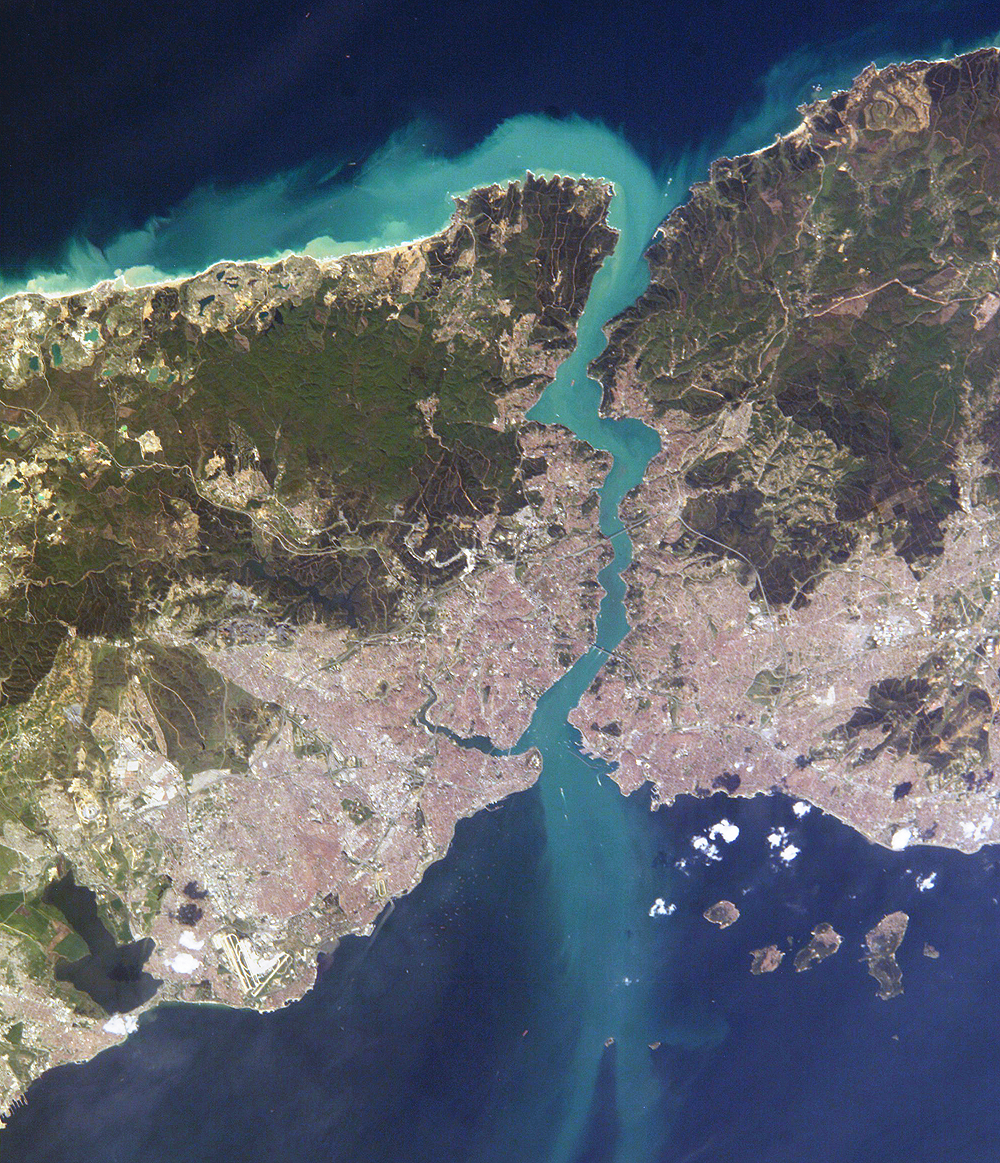
Bósforo y Dardanelos (fuente Wikipedia)
Veamos seguidamente lo que las autoridades chinas temen tras al reciente terremoto que a devastado parte de su territorio.
Juan José Ibáñez
More disaster awaits China’s quake zone: official says
Aftershocks, avalanches and flooding could bring more geological disasters to China’s mountainous southwest following last week’s devastating earthquake, a senior government official said Thursday. The 8.0-magnitude earthquake has increased risks along
«As rain increases during the rainy season and coupled with the continuous aftershocks, it is very probable that geologic hazards in the disaster area will increase and again bring a large amount of losses,» he said. Heavy rains were likely to bring greater instability to the mountains that had already been greatly shaken by the earthquake and its nearly 170 aftershocks, Yun said.
«This has made the work of monitoring, prevention and mitigation of potential geologic disasters great and the tasks before us arduous,» he said. The quake, the biggest to hit
Yun said one of the biggest concerns was the creation of 34 bodies of water known as «quake» or «barrier» lakes that formed after landslides blocked rivers. He said they could burst and threaten populated areas. «We must be aware that the barrier lakes that we have identified are very serious,» said Liu Yuan, vice director of the ministry’s geologic environment department. «I want to be clear about this in order to ensure safety — if these barrier lakes burst, the after effects will be severe over a wide area.»
Officials had ordered people in all threatened areas near the quake lakes to evacuate, he said. Experts were studying ways to engineer channels around or through the barriers to alleviate rising waters and reduce the potential dangers, especially on the
Yun said his ministry had identified more than 4,900 geological hazards along the Dragon Gate fault before the earthquake struck, of which 158 of them were considered major hazards.
At this time it looks like Expression Engine is the preferred blogging platform out there right now. (from what I’ve read) Is that what you’re using on your blog?
Wow that was odd. I just wrote an really long comment but after I clicked submit my comment didn’t appear. Grrrr… well I’m not writing all that over again. Anyways, just wanted to say excellent blog!
At this time it appears like Drupal is the preferred blogging platform available right now. (from what I’ve read) Is that what you are using on your blog?
Currently it appears like BlogEngine is the best blogging platform available right now. (from what I’ve read) Is that what you are using on your blog?
Excellent pieces. Keep writing such kind of information on your page. Im really impressed by your site.
Hello there, You have done a great job. I will definitely digg it and for my part suggest to my friends. I’m confident they will be benefited from this website.
Aw, this was a very nice post. Taking a few minutes and actual effort to create a really good article… but what can I say… I hesitate a lot and don’t manage to get anything done.
Hey I know this is off topic but I was wondering if you knew of any widgets I could add to my blog that automatically tweet my newest twitter updates. I’ve been looking for a plug-in like this for quite some time and was hoping maybe you would have some experience with something like this. Please let me know if you run into anything. I truly enjoy reading your blog and I look forward to your new updates.
Hey I know this is off topic but I was wondering if you knew of any widgets I could add to my blog that automatically tweet my newest twitter updates. I’ve been looking for a plug-in like this for quite some time and was hoping maybe you would have some experience with something like this. Please let me know if you run into anything. I truly enjoy reading your blog and I look forward to your new updates.
Hmm is anyone else experiencing problems with the images on this blog loading? I’m trying to determine if its a problem on my end or if it’s the blog. Any feedback would be greatly appreciated.
When someone writes an piece of writing he/she keeps the image of a user in his/her brain that how a user can know it. So that’s why this paragraph is amazing. Thanks!
Wow that was odd. I just wrote an extremely long comment but after I clicked submit my comment didn’t appear. Grrrr… well I’m not writing all that over again. Anyways, just wanted to say fantastic blog!
Excellent post. Keep posting such kind of info on your page. Im really impressed by your site
Aw, this was an exceptionally nice post. Finding the time and actual effort to generate a great article… but what can I say… I hesitate a whole lot and never manage to get nearly anything done.
Excellent pieces. Keep writing such kind of info on your blog. Im really impressed by your blog.
Hi there! I know this is kind of off topic but I was wondering which blog platform are you using for this website? I’m getting sick and tired of WordPress because I’ve had issues with hackers and I’m looking at alternatives for another platform. I would be great if you could point me in the direction of a good platform.
I am extremely impressed with your writing skills as well as with the layout on your blog. Is this a paid theme or did you customize it yourself? Either way keep up the nice quality writing, it is rare to see a nice blog like this one these days.
Right now it looks like Drupal is the best blogging platform out there right now. (from what I’ve read) Is that what you’re using on your blog?
May I just say what a comfort to find someone who truly knows what they are talking about on the web. You actually realize how to bring a problem to light and make it important. More and more people ought to read this and understand this side of your story. I was surprised you aren’t more popular because you certainly possess the gift.
Hi! This is my first comment here so I just wanted to give a quick shout out and say I genuinely enjoy reading your articles. Can you suggest any other blogs/websites/forums that go over the same topics? Thanks a lot!
Me parece muy relevante cómo el artículo destaca la importancia de analizar los efectos post-sísmicos en la superficie terrestre, que a menudo quedan en segundo plano tras la tragedia.
Me parece muy interesante cómo el artículo destaca la importancia de los procesos superficiales terrestres tras un sismo. Es un aspecto que a menudo se pasa por alto en la cobertura mediática.
I’m extremely impressed with your writing skills as well as with the layout on your blog. Is this a paid theme or did you modify it yourself? Either way keep up the excellent quality writing, it is rare to see a nice blog like this one today.
Hey there, You’ve performed a fantastic job. I will certainly digg it and personally recommend to my friends. I am sure they will be benefited from this web site.
Can I just say what a comfort to find somebody who really knows what they are talking about on the internet. You actually understand how to bring a problem to light and make it important. More and more people must look at this and understand this side of the story. It’s surprising you’re not more popular because you definitely possess the gift.
Hey I know this is off topic but I was wondering if you knew of any widgets I could add to my blog that automatically tweet my newest twitter updates. I’ve been looking for a plug-in like this for quite some time and was hoping maybe you would have some experience with something like this. Please let me know if you run into anything. I truly enjoy reading your blog and I look forward to your new updates.
Wow that was unusual. I just wrote an really long comment but after I clicked submit my comment didn’t show up. Grrrr… well I’m not writing all that over again. Anyways, just wanted to say wonderful blog!
I was wondering if you ever thought of changing the page layout of your site? Its very well written; I love what youve got to say. But maybe you could a little more in the way of content so people could connect with it better. Youve got an awful lot of text for only having one or two images. Maybe you could space it out better?
Can I simply say what a comfort to uncover someone that truly knows what they’re talking about over the internet. You actually realize how to bring a problem to light and make it important. More and more people really need to check this out and understand this side of the story. I was surprised you are not more popular given that you certainly possess the gift.
Aw, this was an extremely good post. Taking the time and actual effort to produce a great article… but what can I say… I put things off a lot and don’t seem to get anything done.
At this time it appears like Movable Type is the best blogging platform out there right now. (from what I’ve read) Is that what you are using on your blog?
Wow that was strange. I just wrote an incredibly long comment but after I clicked submit my comment didn’t show up. Grrrr… well I’m not writing all that over again. Anyways, just wanted to say wonderful blog!
It’s perfect time to make a few plans for the long run and it’s time to be happy. I have read this post and if I may just I want to suggest you some attention-grabbing things or suggestions. Perhaps you can write subsequent articles relating to this article. I want to learn more issues approximately it!
Hi there! This post could not be written any better! Reading through this post reminds me of my previous room mate! He always kept talking about this. I will forward this page to him. Fairly certain he will have a good read. Many thanks for sharing!
Hi there, You have done an excellent job. I will certainly digg it and personally recommend to my friends. I am sure they’ll be benefited from this website.
I loved as much as you will receive carried out right here. The sketch is attractive, your authored subject matter stylish. nonetheless, you command get got an nervousness over that you wish be delivering the following. unwell unquestionably come more formerly again as exactly the same nearly a lot often inside case you shield this hike.
Aw, this was a really good post. Spending some time and actual effort to create a top notch article… but what can I say… I hesitate a lot and never seem to get nearly anything done.
Its like you read my mind! You seem to know a lot about this, like you wrote the book in it or something. I think that you could do with a few pics to drive the message home a bit, but other than that, this is great blog. A fantastic read. I’ll certainly be back.
Hey I know this is off topic but I was wondering if you knew of any widgets I could add to my blog that automatically tweet my newest twitter updates. I’ve been looking for a plug-in like this for quite some time and was hoping maybe you would have some experience with something like this. Please let me know if you run into anything. I truly enjoy reading your blog and I look forward to your new updates.
Me parece muy interesante cómo el artículo aborda las consecuencias geológicas de los terremotos, enfocándose en el impacto en la superficie terrestre. Es un ángulo que a menudo se pasa por alto.